
Automotive Logistics Software: The Complete Guide to TMS, YMS, EDI, and Wireless for Finished Vehicles
Understand how transport, yard, integration, and mobile systems connect into one finished-vehicle workflow, and what to evaluate before selecting a platform.
What Is Finished Vehicle Logistics Software?
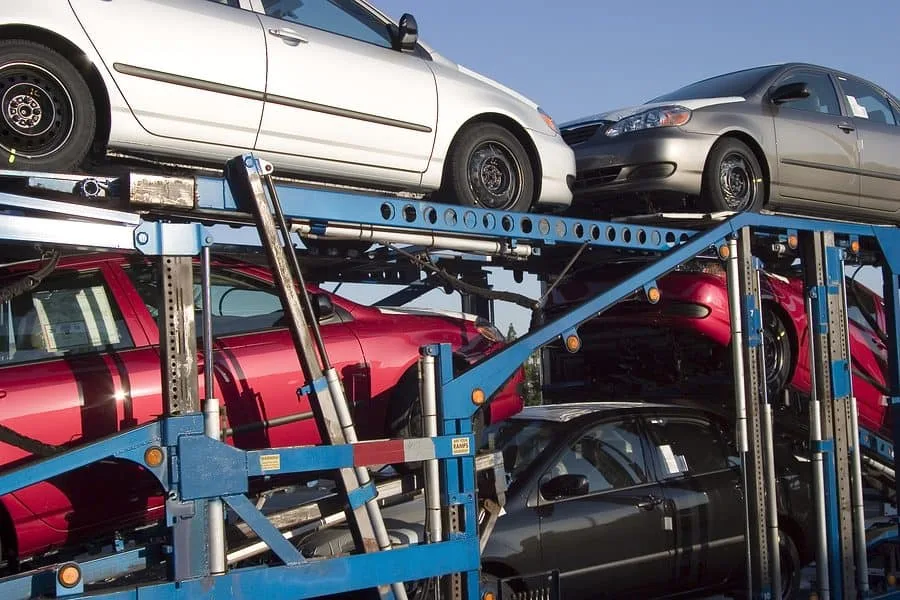
Finished-vehicle logistics software coordinates movement from release through yard, carrier assignment, delivery milestones, and settlement with VIN-level visibility.
Why Finished Vehicles Need a Different Kind of Software Stack
Vehicle logistics has unique constraints: VIN-level status, damage documentation, compound workflows, and OEM data exchanges that generic freight tools often miss.
TMS: The Engine Room of Vehicle Transport
A purpose-built TMS supports dispatch, tendering, lane execution, and operational exception handling. It should integrate naturally with yard status and customer-facing milestones.
YMS: Bringing Order to the Yard
YMS controls inbound and outbound flow, slotting, inspections, and release sequencing so dwell time and yard congestion are reduced.
EDI: The Language OEMs Speak
EDI makes OEM connectivity reliable: messages, acknowledgements, status events, and validation rules must be accurate and auditable.
Wireless Tools: Putting Data in the Driver's Hand
Mobile workflows improve proof capture, inspections, and status updates at the source, reducing delays caused by re-entry and back-office lag.
How It All Connects: One Vehicle, One Data Trail
The value comes from connected systems: one VIN timeline spanning dispatch, yard, movement, exceptions, and financial closure.
How to Evaluate Automotive Logistics Software
- VIN-level lifecycle visibility.
- Dispatch plus yard coordination in one operating model.
- OEM-grade EDI and exception resilience.
- Field-ready mobile workflows.
Final Thoughts
The right stack is not just feature depth. It is how cleanly TMS, YMS, EDI, and wireless execution work together under operational pressure.